
At Cleantech Group, we track hundreds of adaptation and resilience innovators across wildfire, flood, extreme heat, and earth observation, and score them against the same criteria: how novel the underlying technology is, how competitive the costs are, and how much real-world impact and potential to scale it delivers. A pattern has become hard to ignore in that work. The companies pulling ahead on adoption aren’t always the ones with the most advanced sensing. Sometimes the most compelling solutions we see in the adaptation market are the ones doing the least original data collection and the most effective work turning existing data into something someone can act on immediately.
The Sensing Layer Is Commoditizing
Open climate models, growing satellite constellations, and public science infrastructure have turned raw hazard data into something closer to a shared baseline than a differentiator. Anyone building a detection or risk platform today can access this core data relatively fast. That wasn’t true five years ago.
For investors, this is a familiar story from other data-rich sectors: as the underlying infrastructure matures, defensibility migrates up the stack. Value sits with whoever can turn shared, commodity inputs into something a specific decision-maker, such as a fire chief, an underwriter, or a smallholder farmer, can act on within the next five minutes, not with whoever owns the sensor.
Proof Points: Fusion Over Generation
Two companies illustrate this well: Satellites on Fire and Floodbase. Both work in different corners of climate resilience but make a similar underlying move. You can view our full analysis of these companies and their key competitors on their profile pages on Cleantech Group’s Membership Hub.
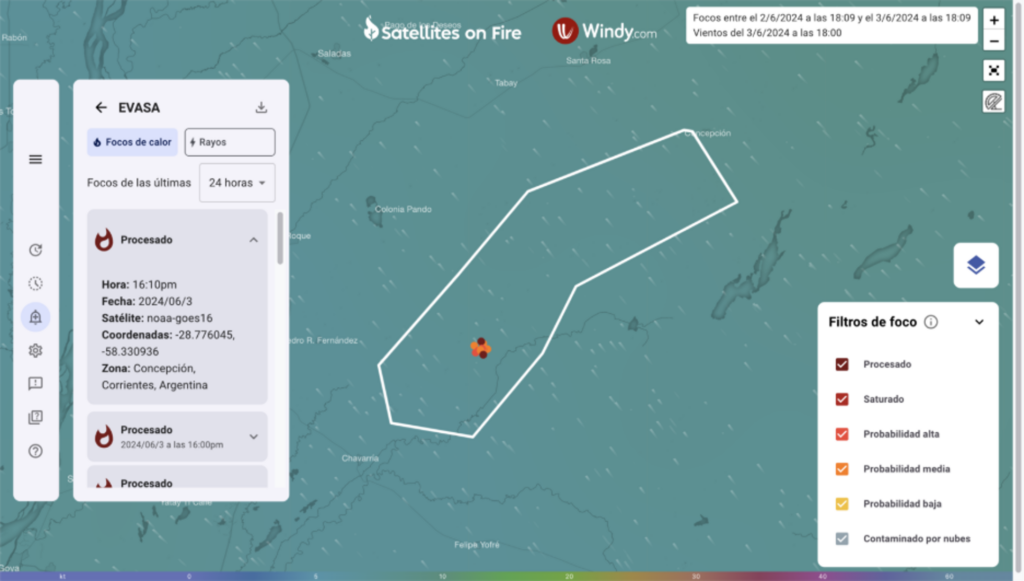
Satellites on Fire doesn’t own satellites or cameras. Its edge is fast fusion and low-friction delivery: stitching together public satellite feeds, tower cameras, ground reports, and AI into a detection layer that beats satellite-only or camera-only competitors on speed, and delivering alerts over WhatsApp and SMS instead of a dashboard. That removes the integration burden that keeps resource-constrained fire brigades from adopting anything at all. While these inputs are largely available to any competitor to replicate, Satellites on Fire’s core moat comes from operationalizing that fusion across 19 countries and embedding it into brigade workflows that used to run on neighbors calling 911.
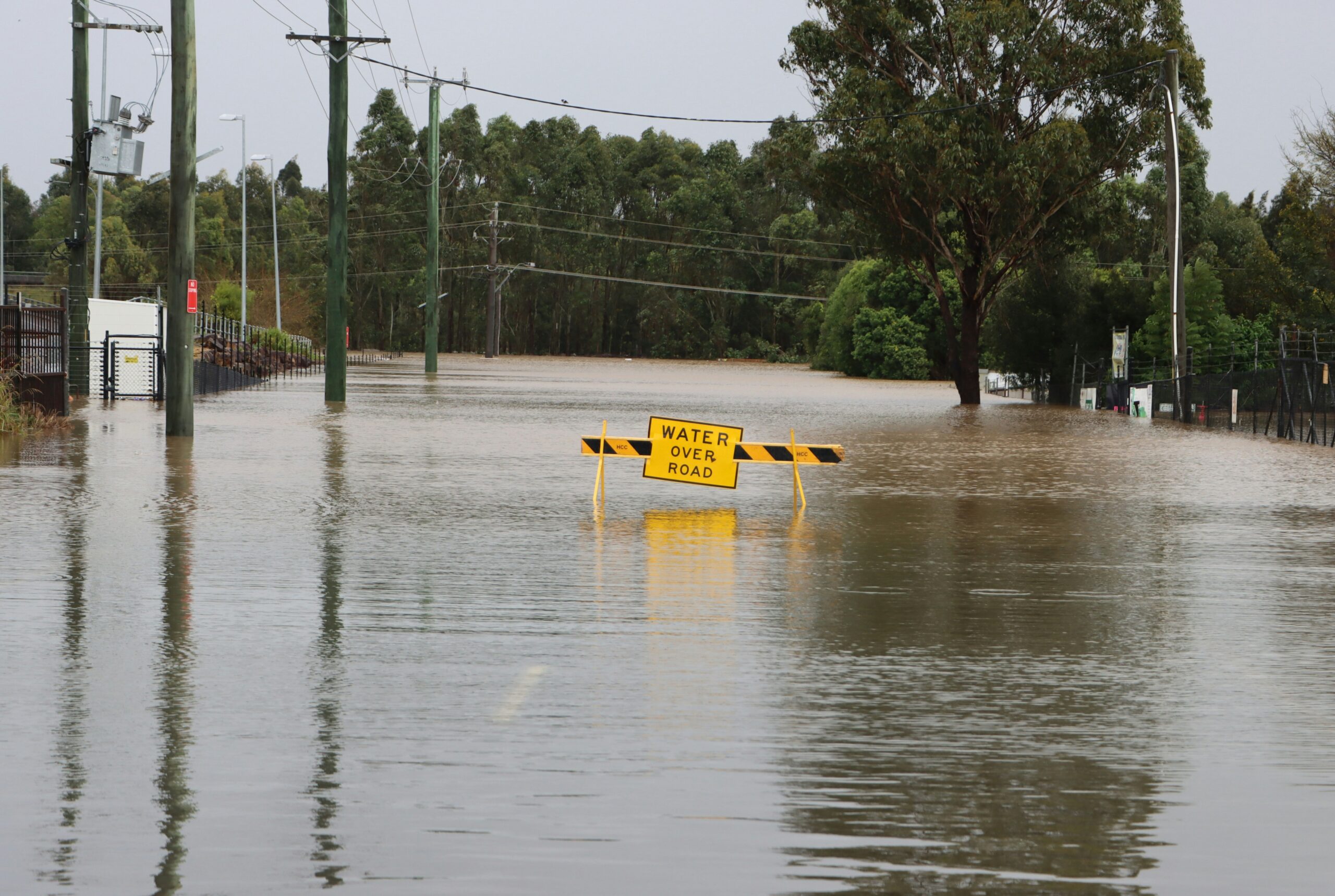
Floodbase tells a similar story from the insurance side. Rather than trying to own the entire parametric insurance stack or model every peril the way some full-stack competitors do, it has focused on building the most accurate, operationally integrated flood intelligence layer it can, fusing 15 to 17 satellite types across optical, infrared, and microwave into a single flood signal. Here too, the raw feeds are theoretically available to any potential competitor. What sets Floodbase apart, though, is its strong commercial traction: FEMA, Swiss Re, the World Food Programme, and many more nationwide programs, built on removing the single biggest barrier to entry, which is any hardware to install, maintain, or protect on the ground.
The Full Picture Is Members-Only
Members get the complete analysis. Unlock the full picture—the insights, data, and connections that will guide your next move.